Kartini and Sunan Bonang: Two Legacies of Rembang
A 15th-century scholar and a 20th-century reformer mark the two ends of Rembang's history, from the Bonang mosque to the Kartini Museum.
- Period
- 15th to 20th century
- Era
- Abad ke-15–20
- Places
- Bonang · Rembang City
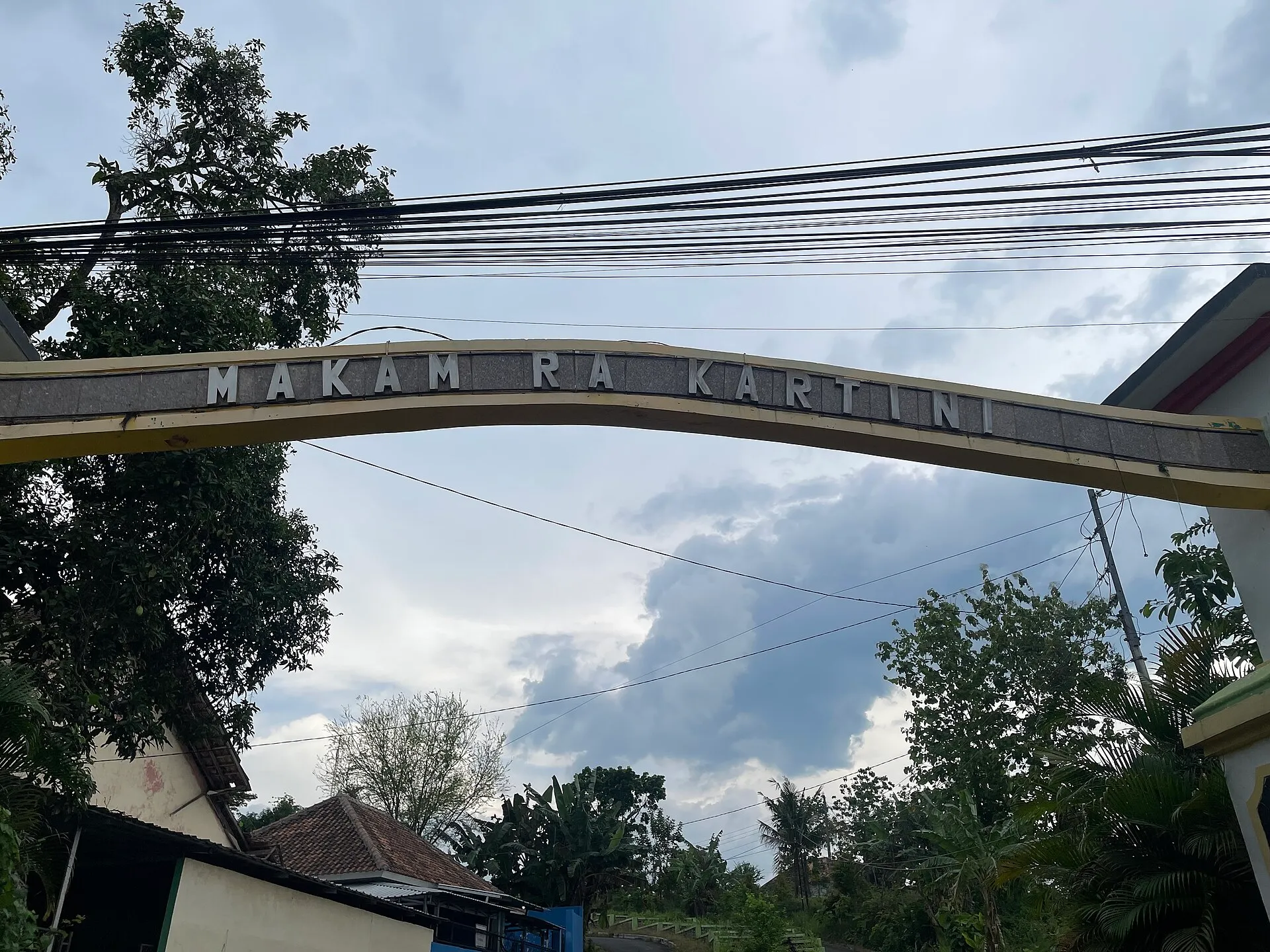
Rembang is remembered mostly for a single name: Kartini. Yet long before she was born, this area already held an important place in the spread of Islam across Java. Two figures, almost five centuries apart, both left traces that can still be visited today. One was a great scholar of the 15th century, the other a reformer of the 20th.
Sunan Bonang and the Bende Becak heirloom
Sunan Bonang was one of the Wali Songo, the nine saints who spread Islam on Java. He is thought to have lived in the 15th century and is linked to Desa Bonang in Rembang Regency, where his mosque and burial complex stand. Kept there are objects treated as heirlooms, among them a manuscript known as the Kitab Suluk and a large gamelan gong called the Bende Becak.
Each year, in the Javanese month of Selo, the Penjamasan Bende Becak ceremony is held, a procession to cleanse the heirloom. The tradition continues and is one of the cultural events Rembang looks forward to.
R.A. Kartini and the ideas she left
Raden Adjeng Kartini was born in 1879 and died in 1904, still very young. She is known as a pioneer of women’s emancipation, chiefly through her letters, later published as Habis Gelap Terbitlah Terang (From Darkness Comes Light). Though her ideas were shaped in part during her schooling in Jepara, she spent an important part of her life in Rembang after marrying the Regent of Rembang.
The Kartini Museum stands in the city, and her grave lies not far away. Both draw visitors, especially on Kartini Day every 21 April.
Two poles of Rembang: a scholar who planted faith in the 15th century, and a woman who demanded education for her sex in the 20th.
Two places, two kinds of memory
The two figures also offer two ways of remembering. In Desa Bonang, memory is ritual: the heirloom is cleansed, prayers are read, and residents gather for a procession carried on for generations. In Rembang City, memory is a museum: letters, photographs, and personal objects put on display for visitors to read and reflect on. One speaks through oral tradition and practice, the other through archives and objects. Together they keep Rembang’s history from slipping away.
Two poles, one identity
Seeing the two side by side helps make fuller sense of Rembang. Sunan Bonang stands for a time when Islam took root and shaped the values of coastal society. Kartini stands for a time when those values began to be questioned and widened, above all for women.
A century separates their lives, yet both show the same thing: Rembang has always been a place where ideas grow, whether religious or reformist. From the old mosque in Desa Bonang to the small museum in the town centre, that legacy can still be read today.