The Origin of the Name Rembang
A folk tale traces the name Rembang to eight Champa families, a mangrove tree, and a sacred ceremony called "ngrembang sakawit" in the 14th century.
- Period
- Saka 1337 (around the 14th century)
- Era
- Legenda
- Places
- Kabongan · Lasem
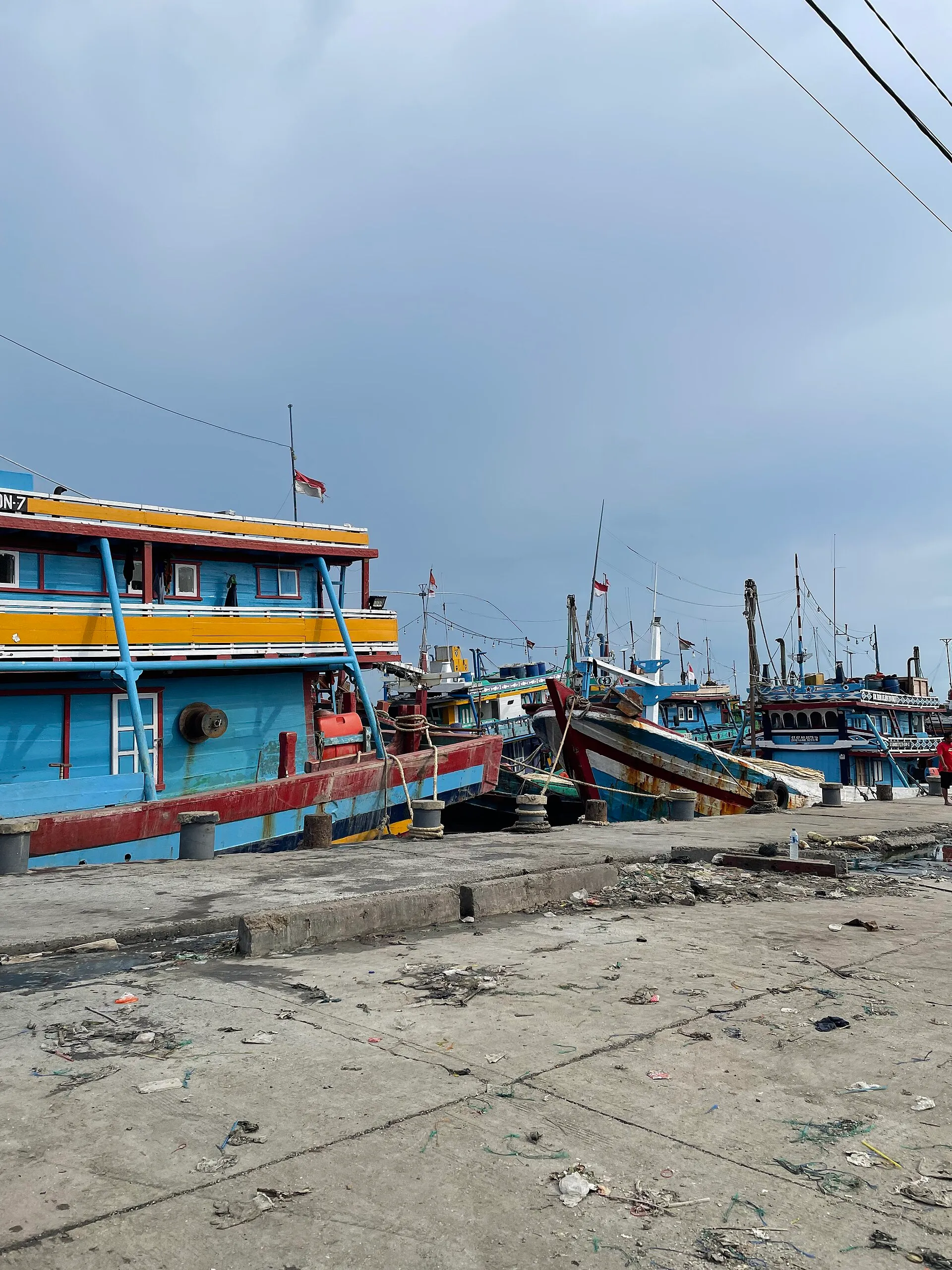
No official record states with certainty when the name “Rembang” was first used. What circulates among local people is a folk tale, and like many folk tales it is stronger as shared memory than as historical evidence. According to the babad (local chronicle) and the oral tradition handed down here, the story begins with a voyage from the north-west.
Eight families from Champa
By local account, in the Saka year 1336 or 1337, eight families from Champa sailed west. They came from Banjarmlati and knew the craft of making sugar. After a long journey, they landed near a river whose banks were thick with mangrove (bakau) trees.
Led by a figure remembered as Kakek Pow Ie Din, they cleared the land around the river mouth and built a settlement. They named the new place Kabongan, said to come from “ka-bonga-an”, after the mangrove that grew there.
Ngrembang sakawit
Life in that settlement rested on sugar cane. Before cutting the cane, according to the same account, the people held a sacred ceremony called ngrembang sakawit. The word ngrembang means to cut or tap the cane.
From that word the name “Rembang” is said to have come. Neighbours began calling the settlement by the name of its ceremony, and the name held.
A note in the chronicle
The local chronicle dates the event to Rabo Legi, in the month of Waisaka, Saka 1337. It also gives a candrasengkala, a phrase whose words stand for numbers, reading “Sabda Tiga Wedha Isyara”, used to mark the year.
A place name is often born not from a map, but from the daily habits of the people who live on the land.
A name that is celebrated
Though its origin is still debated, the tale does not remain a mere story. The regency government sets the anniversary of Rembang from the date in that chronicle, and the event is marked each year. The folk tale thus becomes more than fireside material: it is the frame that supports an official identity. This is common in many places. When written records are thin, collective memory fills the gap.
A folk etymology
It must be said plainly: the story above is a folk etymology recorded in a local chronicle, not a linguistic conclusion. Scholars of the language have not agreed on the origin of the word “Rembang”, and some suggest it relates to the Javanese rembang, meaning something spread open or laid out. Written sources about this area from the 14th century are, in any case, very thin.
Even so, the tale matters. It shows how Rembang’s people understand their own ground: not as land that fell from the sky, but as a place opened, planted, and named by people who came from far away. Between the mangrove, the cane, and the ngrembang ceremony, a name has held for more than six centuries.